Zinc
CNC Machines for Zinc
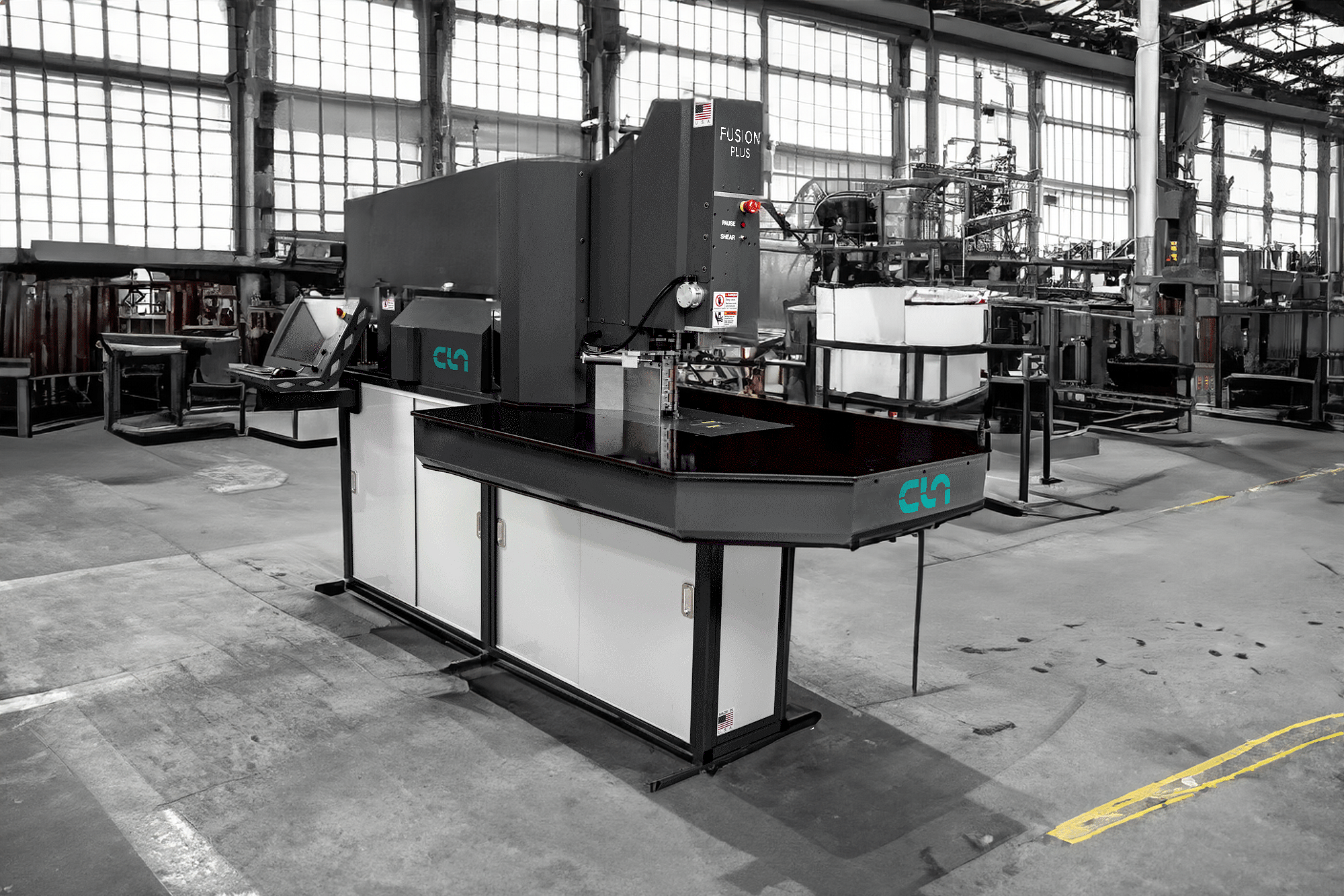
Zinc is a corrosion-resistant, practical, and highly useful material for many industrial applications, which means the right CNC equipment can strongly affect part accuracy, repeatable output, and production control. When shops need dependable zinc CNC machining for industrial parts, custom components, cast forms, specialty pieces, or repeat production jobs, the machine must manage the material carefully while protecting dimensional precision. CLN of South Florida helps businesses select CNC machines for zinc that support cleaner cutting, steady operation, and stronger long-term productivity on the shop floor.
Reliable CNC for Zinc Production
Zinc is often chosen for industries where corrosion resistance, formability, dependable performance, and practical production value are important, which makes machining accuracy a key part of the process. A well-matched CNC machine helps operators cut, shape, drill, route, and profile zinc material while keeping each finished piece consistent from one run to the next. When equipment provides stable movement, secure workholding, and precise control, shops can process zinc more efficiently without fighting avoidable production problems.
A CNC for zinc should provide smooth, controlled tool movement because poor chip handling, surface marking, and heat-related issues can affect the final part. Instead of relying on rough cutting or guesswork, the machine should help operators apply the correct spindle speed, feed rate, tooling choice, and fixture setup for the specific project. That balance helps limit surface defects, preserve cut quality, and maintain accurate part dimensions.
CLN of South Florida understands that many companies need CNC equipment that performs well in real shop conditions, not just on a specification sheet. The right machine should be practical for everyday operation, easy enough for trained users to manage, and capable of supporting demanding workloads over time. That combination becomes especially important when working with zinc, where stable control and consistent results matter throughout the full machining process.
Why Zinc CNC Machining Requires the Right Equipment
Zinc is valued for its corrosion resistance, workability, and usefulness in manufactured components, yet those same traits do not mean every CNC machine is the right choice for zinc work. The material can create problems when cutting conditions are poorly controlled, tooling is not matched correctly, the workpiece is not held securely, or the machine lacks the stability needed for clean profiles. A machine that is unstable, poorly configured, or not suited to the job can turn a manageable project into slower, rougher, and less repeatable work.
Proper zinc CNC machining depends on equipment that can support controlled material removal. Since zinc can respond differently depending on the form, alloy, tooling, and cutting method, the machining setup must be chosen with the material's behavior in mind. A quality CNC machine gives operators better command over the details that shape the finished product, including motion, speed, cutting depth, tool path, and repeatable accuracy.
The right equipment can also help shops reduce unnecessary rework. When parts come off the machine cleaner and closer to the required specifications, teams spend less time correcting edges, dimensions, or surface issues by hand. That matters for businesses that want a more efficient production floor, stronger quality control, and smarter use of labor.
Benefits of Choosing CNC Machines for Zinc
A carefully chosen CNC machine gives shops a better way to manage zinc parts, especially when projects call for repeatable shapes, close measurements, or steady production runs. Instead of depending on slower manual methods, businesses can use CNC technology to produce more uniform results with less variation between individual components. That added consistency helps teams improve workflow while protecting the quality of the finished work.
Zinc CNC equipment can also make detailed projects easier to organize and repeat. Parts that require contours, pockets, holes, channels, slots, or custom profiles can be programmed and produced with a level of consistency that manual work is not likely to match. When the operator has the right equipment, tooling, and setup, the process becomes more predictable, scalable, and easier to manage from job to job.
Key benefits can include:
- Improved repeatability for zinc parts that require consistent sizing, shape, and finish across multiple production runs.
- Better production efficiency when compared with slower manual cutting, shaping, drilling, or finishing processes.
- Cleaner finished components when the CNC machine, tooling, and cutting method are correctly matched to the material.
- Reduced material waste because precise CNC control helps limit mistakes, miscuts, and avoidable rework.
- Greater flexibility for shops that need to produce custom zinc components, prototypes, specialty parts, or recurring orders.
- Stronger workflow control because operators can program, adjust, and repeat jobs through a more organized process.
- Improved shop productivity when teams can move from one zinc CNC project to another with dependable machine performance.
OUR CNC MACHINES CUT

Machine Features That Matter for Zinc CNC Work
The best CNC machines for zinc are selected around control, stability, rigidity, and practical use inside the shop. Since zinc can require careful handling depending on the form and application, secure workholding matters just as much as cutting movement. A stable table, reliable fixture options, and smooth motion control help operators hold accuracy while reducing the risk of movement, vibration, chatter, or uneven cutting pressure.
Spindle control is another important factor because zinc often benefits from a thoughtful cutting setup instead of careless machining. Operators need a machine that allows proper adjustment because speed, feed rate, tool geometry, chip management, and depth of cut can all influence the final surface. When the equipment gives users strong control over these settings, it becomes easier to adjust the process for different zinc projects.
Common Applications for Zinc CNC Machines
Businesses use zinc in many production settings because it offers corrosion resistance, good machinability, practical strength, and useful performance for a wide range of components. CNC machines for zinc can support work for industrial hardware, custom parts, formed components, specialty products, prototypes, fixtures, and other manufactured pieces. Since many of these applications require accurate dimensions, CNC machining can become an important part of the production process.
Many shops also need CNC for zinc when they produce repeat parts rather than single custom pieces. Once a program is refined, operators can run the same design again with more confidence, which helps protect consistency across an entire order. That reliability can be especially useful for companies serving manufacturing, industrial supply, marine, automotive, fabrication, and specialty production markets.
Common uses for zinc CNC machining include:
- Industrial components for applications where corrosion resistance, durability, and practical performance are important.
- Custom parts and specialty components that require accurate machining and dependable material performance.
- Zinc parts that need precise holes, pockets, profiles, slots, or cutouts.
- Prototype zinc components for checking fit, function, shape, balance, or production requirements.
- Specialty fabrication projects that require controlled cutting instead of rough manual shaping.
- Production runs where repeatability matters across multiple zinc pieces.
- Custom zinc forms for businesses that need flexible CNC capability in a shop environment.
Safer, Cleaner, and More Controlled Zinc Machining
Zinc work requires careful attention to shop safety because the material must be machined with proper control, especially when chips, dust, fine particles, or heat may be involved in the process. A CNC machine cannot replace proper safety procedures, ventilation planning, personal protective equipment, cleanup practices, fire prevention, or regulatory compliance, yet the right machine can help support a more controlled workflow. Cleaner cutting, better chip management, stable material handling, and consistent machining conditions can all help shops maintain a more organized production process.
Controlled machining can also reduce unnecessary mess when compared with rougher or less precise methods. When operators use the right tooling, machine settings, and process controls, zinc can be cut more predictably, which helps limit avoidable material damage and cleanup issues. This does not remove the need for safe handling, yet it does support a more professional approach to working with the material.
Businesses should always build zinc CNC machining processes around their own safety requirements. That includes reviewing the application, the shop layout, the type of zinc material being processed, and the procedures required for employees. CLN of South Florida can help connect your team with CNC equipment that fits your production goals while allowing your business to maintain its own safety standards and operating procedures.
How CLN of South Florida Helps You Choose the Right CNC for Zinc
A practical selection process often includes:
1
Review the Zinc Application
The first step is identifying what type of zinc material the shop needs to cut, shape, drill, route, or profile because part size, material form, and project complexity affect the machine choice.
2
Match the Machine to the Workload
The next step is determining whether the machine will handle occasional zinc projects, frequent specialty work, or steady production runs because workload affects capacity needs.
3
Evaluate Accuracy and Finish Requirements
Some zinc CNC jobs need basic shaping, while others require tighter measurements, cleaner edges, smoother surfaces, or repeatable part quality across multiple pieces.
4
Consider Shop Space and Workflow
The machine should fit the physical layout of the shop while giving operators enough room for safe loading, unloading, setup, inspection, and maintenance.
5
Plan for Usability and Long-Term Value
A CNC machine should support daily use, operator training, software needs, serviceability, and future production goals, not just the immediate project in front of you.
Built for Shops That Need Dependable Production
A CNC machine becomes more valuable when it helps a shop complete work with fewer delays and fewer unexpected problems. For zinc machining, that value often comes from repeatability, setup control, stable movement, and the ability to move parts through a predictable process. When the machine performs consistently, operators can focus on improving production instead of spending too much time troubleshooting equipment issues.
Dependable CNC equipment also supports better quoting and scheduling. If a shop understands how long a zinc CNC job will take, how the machine performs, and how much cleanup or rework is normally required, it can plan with more accuracy. That kind of predictability helps businesses protect margins while giving their own customers a better experience.
CNC Machines That Support Custom Zinc Work
Custom zinc work often requires flexibility because not every project follows the same shape, size, tolerance, or production requirement. One customer may need a small zinc component with precise holes, while another may need a larger piece shaped for corrosion resistance, durability, or fit. A flexible CNC machine allows shops to move from one job to the next without needing a completely separate process for every project.
This flexibility is especially valuable for businesses that handle specialty orders. Once operators understand the machine and software workflow, they can move from prototypes to finished production with greater consistency. That helps shops respond to customer requests more quickly while maintaining better control over part quality.
Improving Accuracy Without Slowing Down Production
Accuracy and speed can work together when a CNC machine is properly matched to the material. Zinc requires controlled cutting, yet that does not mean production has to feel slow, inefficient, or overly complicated. With the right machine, tooling strategy, and operator setup, shops can produce accurate parts while keeping jobs moving through the workflow.
CNC machining helps reduce the inconsistency that can happen when zinc is shaped by hand. Even experienced operators can struggle to produce the same result across several parts when using manual methods, especially when the project includes detailed profiles, drilled features, or measured cutouts. A CNC machine gives the shop a programmed path that can be repeated, adjusted, and documented.
This repeatability becomes more important as order size increases. A single custom piece may be manageable through several methods, but recurring parts need a process that protects consistency from the first part to the last. CLN of South Florida helps businesses find CNC machines that make this level of control more accessible.
Why Businesses Choose CLN of South Florida
CLN of South Florida understands that customers need more than a piece of equipment. They need a machine that fits their shop, supports their production goals, and helps their team complete work with confidence. When businesses are comparing CNC machines for zinc, CLN of South Florida offers guidance that focuses on real application needs instead of generic equipment recommendations.
Customers also benefit from working with a company that values practical performance. A machine should be strong enough for the workload, refined enough for accurate work, and useful enough for the people operating it every day. That balance is important for zinc CNC machining because the material still requires planning, control, and dependable execution.
Choose CLN of South Florida for CNC Machines for Zinc
CLN of South Florida is ready to help your business find the best CNC machines for zinc around. With a focus on quality equipment, useful guidance, and real production value, CLN of South Florida helps shops invest in CNC solutions that fit their needs today while supporting future growth. Contact CLN of South Florida to explore CNC machines for zinc and find the right solution for your next stage of production.