

Financing Available
$99/month for the First 6 Months On Qualifying Equipment
MDF is one of those materials that looks simple until you start cutting it all day, every day. The surface can mill beautifully, but the core generates fine dust, edges can fuzz or chip if feeds and tooling are off, and long production runs expose every weakness in rigidity, hold-down, and extraction. A CNC that performs great on hardwood can still struggle on MDF if the spindle, gantry, and dust management are not built for the workload.
MDF is dense and uniform, which helps with consistent machining, yet it also behaves differently than plywood or solid wood when you push speed. Tool heat builds quickly during aggressive passes, the dust is ultra-fine, and edges can degrade fast when vibration or chip evacuation is not controlled. A CNC for MDF needs to handle those realities without forcing you to slow down to a crawl.
Machine stiffness matters because MDF routing often involves long toolpaths, nested sheets, and repeated cycles that punish loose tolerances. Strong motion control helps you hold clean corners and smooth radii, while stable spindle performance prevents chatter that shows up as fuzzy edges and inconsistent depth. Dust collection is not a nice extra, since MDF dust gets everywhere and can compromise cut quality, visibility, and long-term machine health.
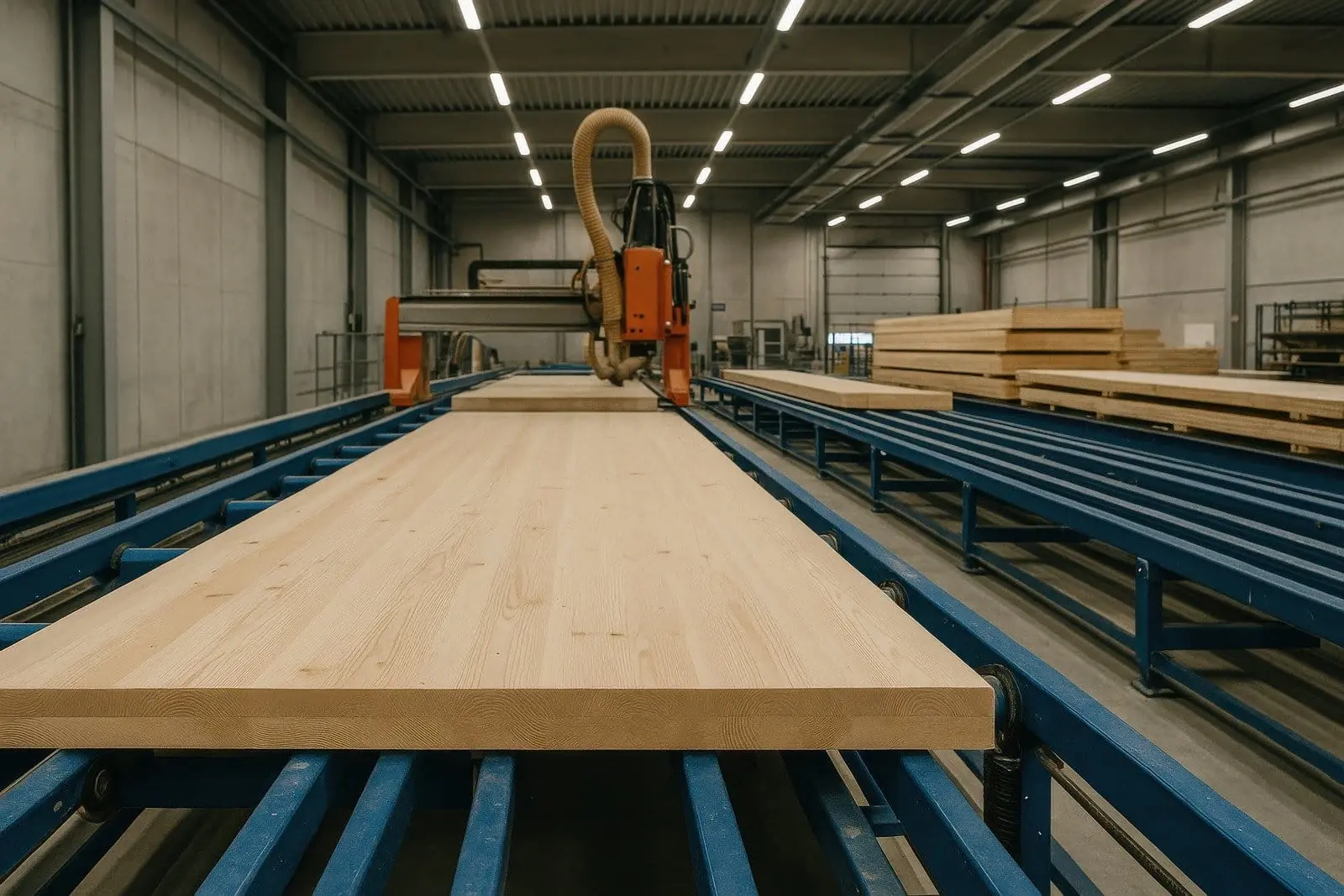
MDF responds best when the spindle can maintain steady RPM under load, since that consistency supports clean chip formation and reduces edge fuzz. A spindle that bogs down encourages rubbing instead of cutting, which increases heat, dulls tools faster, and can leave the edge looking rough even if the program is correct. A strong spindle paired with intelligent control gives you the flexibility to run high-quality finishing passes without wasting time.
Speed control also affects how confidently you can scale production. When spindle performance is stable, you can dial in feeds, stepovers, and depth of cut based on the job instead of compensating for machine limitations. That means more consistent parts, easier operator training, and fewer surprise failures when you switch from one MDF thickness to another.
MDF may not have grain, but it still reveals vibration through edge texture, corner blowout, and inconsistent depth. A rigid frame and gantry help the cutter stay on path, which is especially important when running nested-based manufacturing where sheet yield and accuracy are tied together. The difference shows up in the small details, like crisp pocket floors, smooth profiles, and predictable joinery. Vibration control also protects your tooling budget. When the machine stays stable, tools last longer, finishes improve, and you spend less time sanding, filling, or re-cutting parts that should have been right the first time. Shops that do a lot of MDF work usually realize quickly that rigidity is not only about quality, it is about throughput.
MDF dust is extremely fine, and it can turn into a constant cleanup problem when extraction is weak. Dust buildup around the cutter can re-cut chips, smear the edge, and reduce visibility for the operator, especially during long runs. Strong dust collection improves cut quality while also helping protect the machine components that should stay clean and responsive.
Effective extraction also supports safer, more comfortable work. When a CNC is matched with solid dust management, the area around the table stays clearer, the air feels better, and the machine spends more time cutting instead of being shut down for maintenance. Productivity improves when your operators are not fighting dust every hour.
MDF sheets can shift slightly under cutting forces if vacuum strength or clamping strategy is inconsistent, and even small movement can ruin a nested job. A well-designed table and hold-down setup keeps the sheet stable across the entire work area, which is critical when you are cutting small parts, tight tolerances, or intricate shapes. When parts stay flat and secure, your edges remain consistent and your toolpaths stay accurate.
Hold-down becomes even more important as you move into faster cycle times. Higher feed rates and deeper passes can be productive, yet they also increase the need for reliable sheet control. A CNC system that supports your hold-down strategy helps you run confidently, even when you have a full production day stacked up.
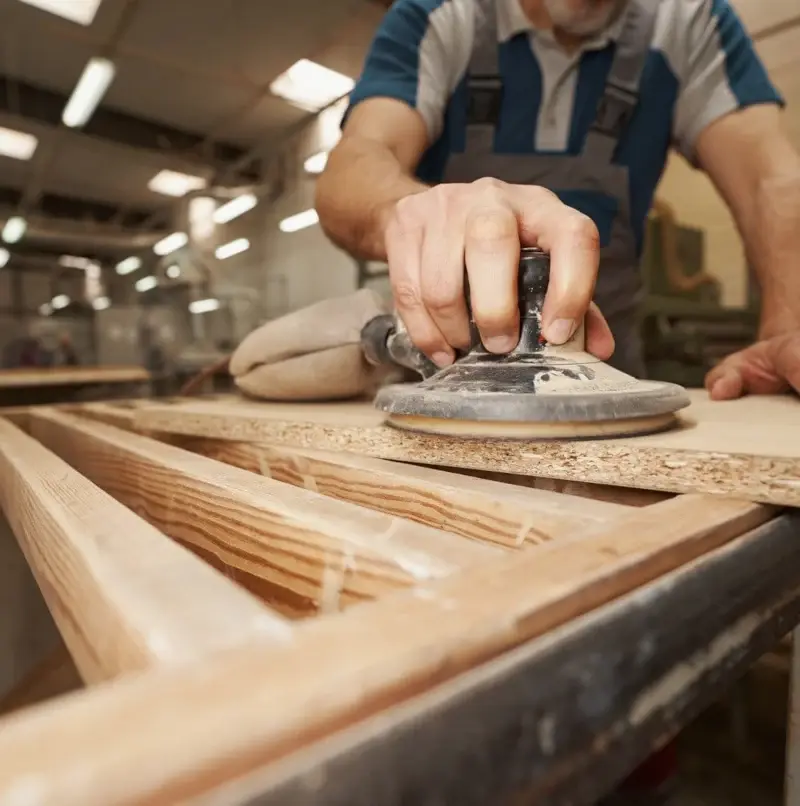
MDF rewards the right tooling because chip evacuation, edge finish, and tool life are tightly connected. Spiral bits designed for efficient chip removal reduce heat and keep the cut clean, while compression-style tooling can help produce a better edge on both faces when sheet appearance matters. The best results usually come from matching tool geometry to the job, rather than forcing one cutter to do everything.
Tooling strategy also influences how much post-processing you need. Cleaner cuts reduce sanding and edge prep, which protects your margins and shortens lead times. When you combine the right tooling with a capable CNC, MDF can move through your shop with a level of speed and consistency that feels closer to automation than craftsmanship.
A CNC for MDF should fit the way real shops operate, which means supporting nested sheet cutting, repeatable cabinet component production, and fast changeovers between jobs. Strong control software, reliable homing, and predictable accuracy make it easier to batch work without losing time to resets and re-checks. The result is a workflow that scales, whether you run one machine or several.
MDF is also common in industries that rely on repeatability, like cabinetry, retail fixtures, signage, and furniture components. Those businesses benefit most when the CNC can handle long production runs while keeping tolerances stable. A system that stays accurate across an entire shift helps you deliver consistent parts and keep clients confident in your output.
MDF is often chosen for its cost and consistency, but the real advantage shows up when your CNC can turn sheets into finished parts with minimal touch-up. Shops that rely on sanding and rework can still make MDF look good, yet they usually spend more time per part than they should. A well-matched CNC shifts the workload from cleanup to production, which is where profitability lives.
This type of investment also improves quoting confidence. When your process is stable, you can predict cycle times, reduce waste, and schedule jobs without padding everything for unexpected issues. That creates a better customer experience and a healthier operation, especially when MDF work makes up a meaningful percentage of your revenue.
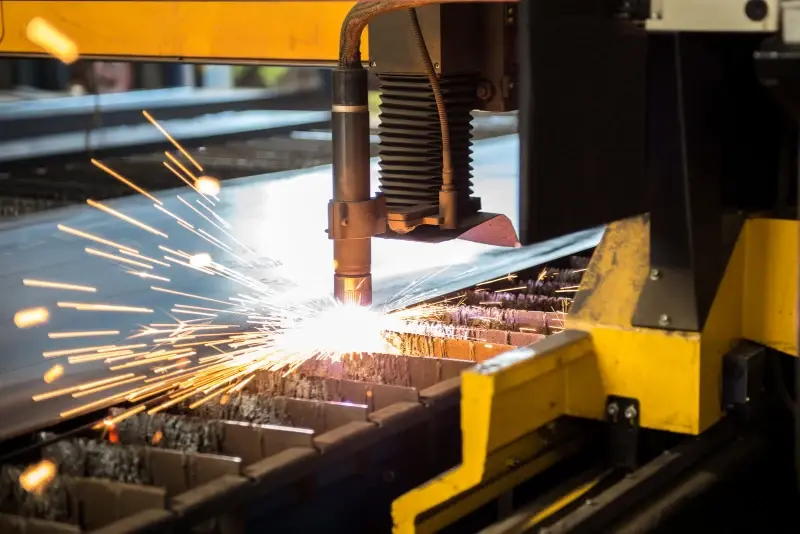
CLN of South Florida focuses on CNC systems that are built for real production, not just occasional routing. MDF cutting is a perfect example of why machine selection matters, since the wrong setup can lead to constant maintenance, inconsistent results, and operator frustration. The right setup gives you cleaner edges, smoother workflow, and a better return on every sheet you put on the table.
Support is part of the product, because MDF production is not only about buying a CNC, it is about getting the process right. When your machine, tooling strategy, dust collection, and hold-down approach are aligned, your shop runs with less stress and better consistency. That alignment is where performance becomes predictable instead of lucky.
A smart selection process looks at the full picture, including spindle capability, rigidity, dust management, and workflow features that reduce downtime. Operators should be able to run parts confidently, and managers should be able to schedule production without worrying that one difficult MDF job will derail the day. When those pieces come together, MDF becomes a reliable profit center rather than a material you tolerate.
Define the parts you cut most often, the tolerances you expect, and the throughput you need so the CNC fits your real workload.
Match spindle performance, rigidity, table design, and dust management to MDF’s demands instead of treating it like any other sheet good.
Dial in tooling, feeds, hold-down, and toolpath strategy so quality stays consistent across long runs and multiple operators.
Prioritize reliability, serviceability, and support so the CNC stays productive as your MDF volume increases over time.

Choose CLN of South Florida for the best CNC machines for MDF cutting when you want a system that supports real production, protects quality, and helps your shop scale with confidence. Reach out to talk through your MDF projects, your workflow, and the results you want, then let us match you with a CNC solution that makes MDF routing feel simpler and more profitable.
Let's Talk
Get in Touch: