

Financing Available
$99/month for the First 6 Months On Qualifying Equipment
Aluminum looks simple until you try to cut it fast, hold a tight tolerance, and keep the surface looking clean all at the same time. The difference between a part that drops into place and a part that fights you during assembly usually comes down to the CNC setup, the cutting strategy, and the small details that keep vibration under control. A solid aluminum CNC machine plan takes those details seriously, because aluminum rewards speed only when the process stays stable.
CLN of South Florida helps manufacturers and fabrication shops get CNC for aluminum that feels predictable instead of finicky. From choosing the right CNC machine for aluminum to dialing in aluminum CNC cutting so edges stay crisp, the goal is straightforward: help you produce aluminum parts that look professional, fit correctly, and repeat consistently. When your equipment, tooling, workholding, and programming are aligned, CNC machining aluminum becomes one of the most efficient ways to move from concept to production.
Aluminum can move quickly through a shop, which is exactly why precision matters so much when timelines get tight. A dialed-in aluminum CNC process keeps your cutters engaged smoothly, maintains chip evacuation, and protects the finish so the part still looks great after the last pass. Repeatability becomes the real advantage, because a good CNC aluminum workflow produces the same results on Monday morning and Friday afternoon.
That reliability is also what makes aluminum such a practical material for prototypes, fixtures, panels, brackets, and production parts. Aluminum’s machinability is strong, yet it still demands the right spindle behavior, the right feed strategy, and the right rigidity to avoid chatter and built-up edges. CLN of South Florida focuses on those real-world outcomes, because the best aluminum CNC machine is the one that keeps your parts consistent and your operators confident.

Aluminum does not behave like wood, plastics, or steel, even when the part geometry looks similar. Softer alloys can smear or weld to the cutting edge when speeds, lubrication, and chip control are not matched to the job. Harder alloys can highlight vibration issues quickly, which is why an aluminum CNC setup needs rigidity and a cutting path that avoids abrupt tool loading.
Tooling and workholding also matter more than most people expect when they first move into CNC machining aluminum. The same part can machine beautifully with solid clamping and a stable toolpath, then turn into a noisy mess when workholding flexes or chips recut along the edge. A strong CNC machine for aluminum is not just about horsepower, because the entire system has to stay calm while the tool does its work.
Aluminum is popular because it balances strength, weight, corrosion resistance, and cost in a way that works across many industries. CNC aluminum cutting supports everything from functional components to cosmetic panels, as long as the setup is matched to the finish level you need. Parts that look simple on paper often need thoughtful planning in the machine, especially when you want clean pockets, sharp corners, or consistent edge quality.
Many teams also choose aluminum because it lets them iterate without losing weeks to long fabrication cycles. A well-selected aluminum milling CNC machine can handle rapid changes in geometry, hole patterns, and mounting features while keeping tolerances under control. That flexibility makes aluminum CNC a practical path for product development, custom manufacturing, and steady production work.
Machine selection starts with the kind of aluminum work you actually plan to run, not the kind you might run someday. Sheet-focused workflows often benefit from a CNC router for aluminum when the cutting envelope is large and the parts are mainly profiles, pockets, and drilled features. More complex 3D features, tight bores, and heavy material removal tend to point toward an aluminum milling CNC machine that is built for sustained cutting loads.
Spindle characteristics, rigidity, and control features have an outsized impact when aluminum is the priority. A setup that looks similar on a spec sheet can behave very differently in real cutting, because damping, gantry stiffness, and axis drive quality show up in the finish. CLN of South Florida helps you evaluate what matters for your specific mix of aluminum CNC router work and milling-style machining, because the right choice protects your budget and your output quality at the same time.
Tooling is the second half of the conversation, because aluminum is not forgiving when cutters are mismatched. Geometry, coating, flute count, and chip evacuation all affect whether the tool slices cleanly or starts pushing material around. CNC machining aluminum becomes faster and cleaner when tooling choices align with the alloy, the thickness, the finishing expectations, and the machine’s real behavior under load.
Edge quality is one of the fastest ways to judge whether a CNC aluminum setup is truly dialed in. Clean edges usually come from stable engagement, proper chip load, controlled heat, and toolpaths that avoid re-cutting chips. A good finish also depends on reducing vibration, because even minor chatter can leave visible ripples that show up immediately on aluminum surfaces.
Consistency matters just as much as aesthetics when parts have to fit into an assembly. Burr control, hole quality, and flatness are not optional when aluminum components need to align with fasteners, mating parts, or gasket surfaces. CLN of South Florida emphasizes predictable aluminum CNC cutting strategies, because a part that looks good but fits poorly still costs time on the back end.
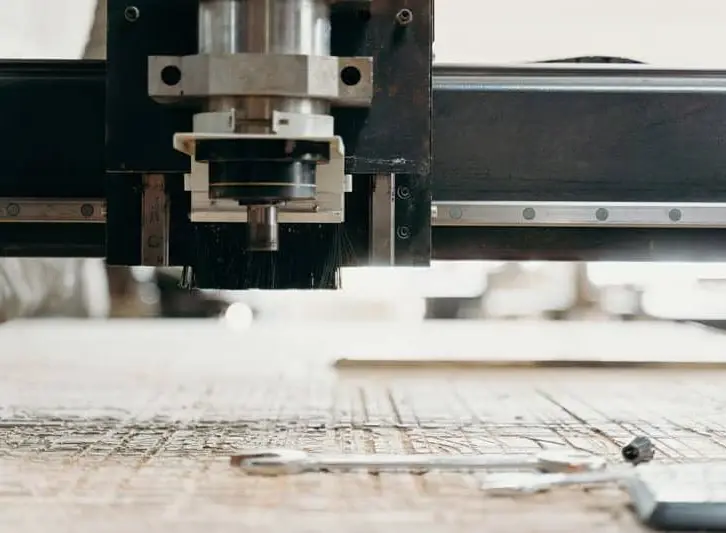
Heat is often the hidden issue in CNC machining aluminum, especially when shops push speed without planning for chip evacuation. Aluminum can carry heat into the cutter, which increases the risk of built-up edge and surface smearing when the process gets unstable. Proper chip control keeps the cutting edge cleaner, helps maintain dimensional accuracy, and reduces the need for secondary finishing.
Chip evacuation is also tied to workholding and toolpath design, not just airflow or coolant choice. Chips that linger in a pocket can get pulled back into the cut, then the finish degrades while the tool wears faster than expected. A stable CNC aluminum setup treats chips as part of the machining plan, because managing them is one of the simplest ways to improve consistency.
Finish quality often comes down to sequencing and restraint, especially on visible surfaces. Roughing passes should remove material efficiently without leaving stressed edges that distort during finishing. Finishing passes should be planned to keep engagement consistent, because a smooth finish in aluminum is usually the result of steady cutting rather than brute force.
A CNC router aluminum workflow can be an excellent match when parts are primarily sheet-based, panel-oriented, or produced in larger formats. Many teams like the accessibility and flexibility of an aluminum CNC router approach, especially when the work includes profiling, pocketing, and hole patterns across wide surfaces. The key is choosing a CNC router for aluminum that is configured for rigidity, proper spindle behavior, and stable workholding, because aluminum exposes flex quickly.
A router-style approach also works well when the process is designed to protect the tool and the edge. Toolpaths that maintain consistent engagement, paired with chip evacuation and the right cutter geometry, can produce clean results without excessive burr. CLN of South Florida helps you match the router strategy to the part expectations, because CNC aluminum cutting should look intentional, not improvised.
Some projects still benefit from stepping up into a milling-style platform, even when the overall shape looks simple. Thicker stock, deeper pockets, tighter tolerances, and more aggressive material removal often demand a stiffer structure that behaves like an aluminum milling CNC machine. The right fit becomes clear when the goal is stable production, predictable finishes, and repeatable results across long runs.
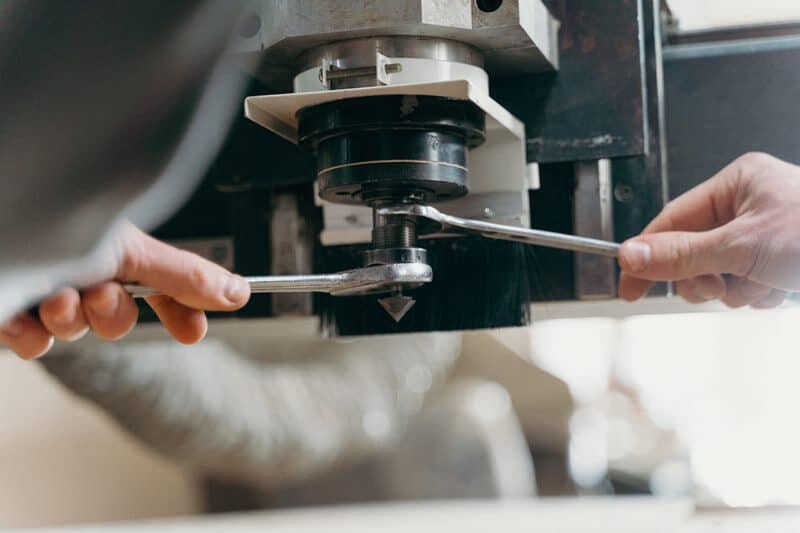
Milling-style aluminum CNC work is often about control, because precision features rely on stable tool engagement and consistent machine behavior. When parts need accurate bores, flat mounting faces, and repeatable hole location, rigidity and axis performance matter as much as raw speed. A CNC machine for aluminum that holds steady under load can reduce rework, reduce inspection surprises, and keep assemblies moving forward.
Tight tolerance work also benefits from good process discipline, not just the right hardware. Tool length management, probing routines, and consistent fixturing protect accuracy across batches. CLN of South Florida supports that kind of repeatability because CNC machining aluminum becomes truly efficient when you can trust your measurements and your fits without constant adjustments.
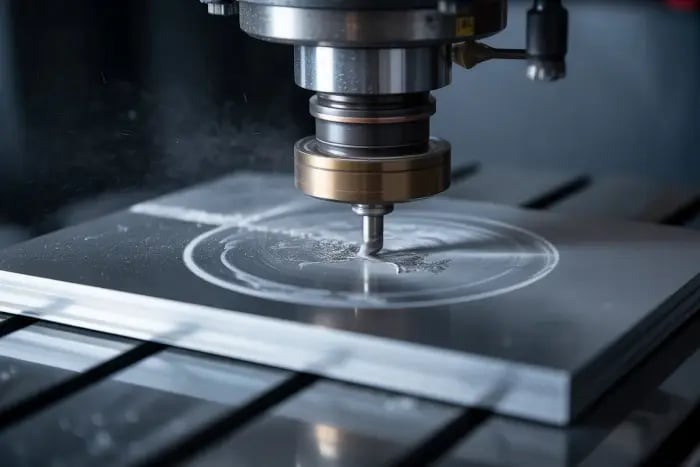
Prototype work can be fast and exciting, yet it still needs structure if you want the production version to match the early samples. Aluminum CNC machining supports iteration well, especially when toolpaths and fixturing are planned to scale. A thoughtful approach keeps the prototype phase from turning into a one-off process that cannot repeat later.
Production consistency is also easier when the process is built around measurable controls. Stable setups, predictable tooling behavior, and repeatable workholding reduce the number of variables that change between batches. CLN of South Florida helps you build that consistency into the plan, because CNC machining aluminum should get easier over time, not harder.
1) Discovery and Fit Check: We review parts, densities, tolerances, coatings, and batch sizes, then confirm the right CNC foam cutting machine and table size.
2) Proof of Capability: We run representative samples, verify edge quality and cycle time, and document the setup for repeatability.
3) Configuration and Delivery: We prep motion control, tooling kits, extraction, and workholding so the floor is ready when the machine arrives.
4) Installation and Training: We align, level, test, and train your operators on programming, offsets, tool changes, and safe daily checks.
5) Ramp and Optimize: We refine feeds, speeds, and nests, capture standard work, and set maintenance intervals that keep output high.
Every manufacturer has a preferred capital strategy, so the project should meet your financial framework rather than force a single path. Many clients choose to own the system to capture incentives and asset value, while others prefer structured financing that preserves cash for core operations. Federal incentives and bonus opportunities can strengthen the case, and utility programs may add performance-based benefits.
Potential approaches include:
Part design affects speed, finish, and cost more than most teams expect, especially when aluminum features push the limits of tool reach and rigidity. Small tweaks in corner radii, pocket depth strategy, and feature spacing can reduce chatter risk and shorten cycle time. Those changes can also improve surface quality, because a steady tool engagement usually produces cleaner aluminum.
Good design support is also about protecting your intent while making machining practical. Functional requirements still come first, yet manufacturability choices can make the difference between a smooth run and constant adjustments. CLN of South Florida helps you think through those tradeoffs early, because aluminum CNC should feel like a reliable production tool, not a repeated firefight.
Aluminum shows up in industries where weight, strength, and corrosion resistance matter, yet efficiency still drives the budget. CNC aluminum is common in manufacturing environments that need quick turnaround, consistent quality, and repeatable geometry across multiple builds. Shops also choose aluminum when they want strong parts without the time and tool wear that often come with harder metals.
CNC router for aluminum work is also popular in fabrication-heavy workflows that need large-format cutting and clean profiles. Panels, enclosures, machine guards, and structural components often benefit from aluminum CNC router setups that balance throughput and edge quality. CLN of South Florida supports these use cases with practical guidance, because the best CNC machine aluminum cutting plan is the one that fits your daily workload.
Choose CLN of South Florida for CNC for aluminum that is built around real production needs, thoughtful configuration, and process support that helps your team succeed.
Reach out today to talk through your parts, your throughput goals, and the kind of CNC aluminum cutting results you want to see on the shop floor. When the machine, tooling, and strategy are aligned, CNC machining aluminum becomes a dependable advantage you can build on.
Let's Talk
Get in Touch: