Financing Available | Shipping Nationwide
Lead
CNC Machines for Lead
Lead is a soft, dense, and highly specialized material, which means the right CNC equipment can make a major difference in accuracy, consistency, and production control. When shops need dependable lead CNC machining for industrial parts, shielding components, custom forms, or repeatable production work, the machine needs to handle the material smoothly without sacrificing precision. CLN of South Florida helps businesses find CNC machines for lead that support cleaner cuts, reliable performance, and long-term shop productivity.
Why Lead CNC Machining Requires the Right Equipment
Lead is not especially hard to cut, yet that does not mean every CNC machine is a good fit for lead work. The material’s softness can create issues if the tooling drags, if the workpiece is not secured correctly, or if the machine lacks the control needed for clean profiles. A machine that is too unstable, too limited, or poorly matched to the application can turn a simple job into a frustrating process.
Proper lead CNC machining depends on a machine that can support careful material removal. Since lead can smear, gum up, or deform under the wrong conditions, the cutting setup must be selected with the material’s behavior in mind. A quality CNC machine gives operators more control over the variables that affect the finished product, including motion, speed, cutting depth, and repeatability.
The right equipment can also help shops reduce unnecessary rework. When parts come off the table cleaner and closer to spec, teams spend less time correcting errors by hand. That matters for businesses that want a more efficient production floor, stronger quality control, and better use of labor.
Reliable CNC for Lead Production
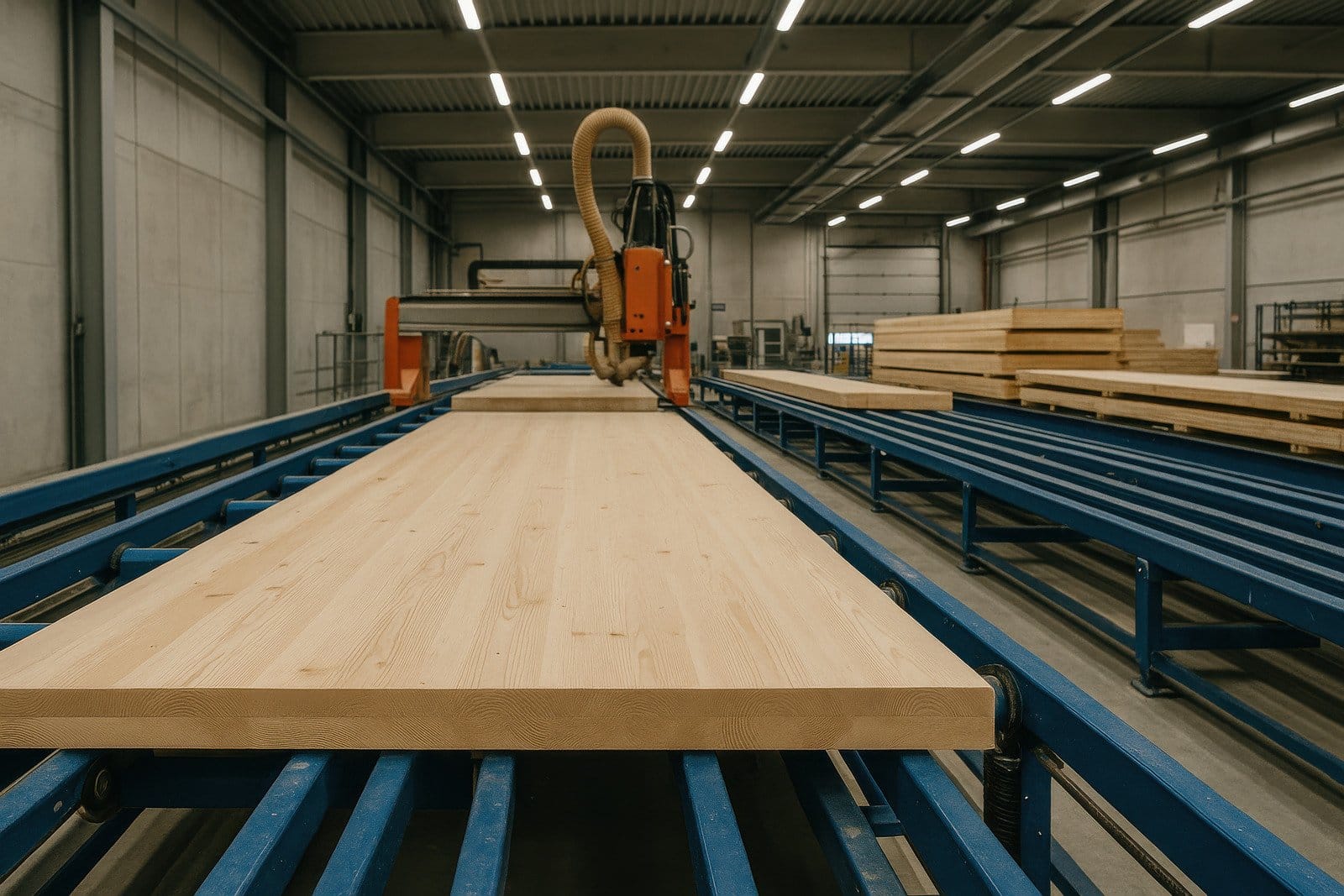
Lead is often used in industries where weight, density, shielding, or formability matter, which makes precision especially important during machining. A well-matched CNC machine helps operators cut, shape, drill, route, and profile lead material while maintaining repeatable results from one job to the next. When a machine is built with stable motion control and dependable workholding options, shops can handle lead more efficiently without constantly fighting the material.
A CNC for lead should provide smooth tool movement because lead’s softness can make rough cutting paths more noticeable in the finished piece. Instead of relying on excessive force, the machine should allow operators to use the correct spindle speed, feed rate, tooling strategy, and fixture setup for the job. This balance helps reduce surface damage, improve cut quality, and support consistent part dimensions.
CLN of South Florida understands that many businesses need CNC equipment that performs well in real production environments, not just on paper. The right machine should feel practical for daily use, easy enough for trained operators to manage, and strong enough to support demanding workloads. That combination is especially valuable when working with lead, where control and consistency matter at every step.
Benefits of Choosing CNC Machines for Lead
A purposefully selected CNC machine gives shops a better way to manage lead parts, especially when jobs require repeatable shapes, tight measurements, or ongoing production runs. Instead of relying on slower manual methods, businesses can use CNC technology to produce more uniform results with less variation between parts.
Lead CNC equipment can also make complicated projects easier to handle. Parts that require contours, pockets, holes, channels, or custom profiles can be programmed and repeated with a level of consistency that manual work cannot easily match. When the operator has the right machine and setup, the workflow becomes more organized, predictable, and scalable.
Key benefits can include:
- Improved repeatability for lead parts that need consistent sizing, shape, and finish across multiple production runs.
- Better production efficiency when compared with slower manual cutting, shaping, or drilling methods.
- Cleaner finished components when the machine, tooling, and cutting strategy are properly matched to the material.
- Reduced material waste because accurate CNC control helps limit mistakes, miscuts, and unnecessary rework.
- Greater flexibility for shops that need to produce custom lead components, prototypes, specialty parts, or recurring orders.
- Stronger workflow control because operators can program, adjust, and repeat jobs with a more structured process.
- Improved shop productivity when teams can move from one lead CNC project to another with dependable machine performance.
OUR CNC MACHINES CUT

Common Applications for Lead CNC Machines
Businesses use lead in a wide range of specialized settings because it offers density, weight, and shielding properties that many other materials cannot provide in the same way. CNC machines for lead can support production work for industrial components, radiation shielding parts, counterweights, custom forms, and other specialty pieces. Since these applications often require accurate dimensions, CNC machining can be a valuable part of the production process.
Many shops also need CNC for lead when they are producing repeat parts rather than one-off pieces. Once a program is dialed in, operators can run the same design again with more confidence, which helps protect consistency across an order. That reliability can be especially helpful for companies serving industrial, medical support, manufacturing, or specialty fabrication markets.
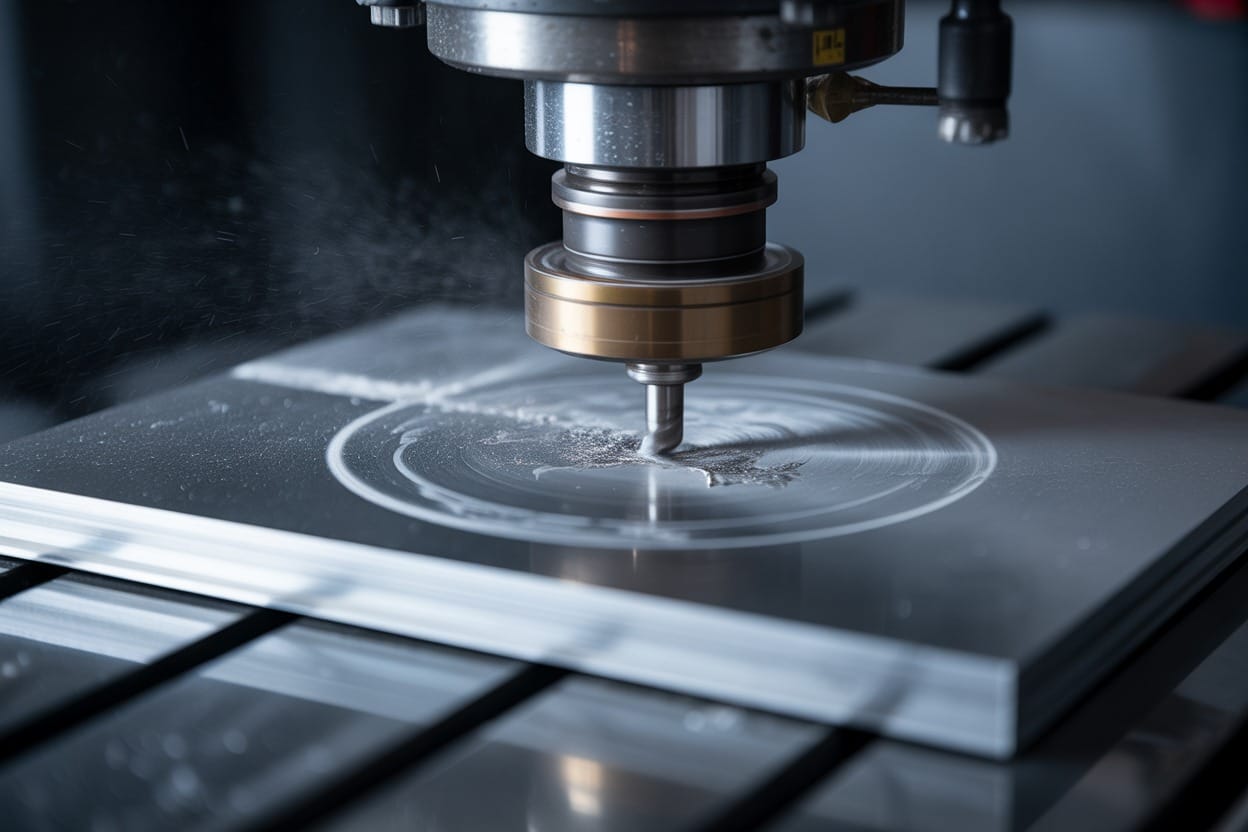
Common uses for lead CNC machining include:
- Shielding components for applications where lead’s density helps block or reduce exposure.
- Custom counterweights for equipment, assemblies, displays, machinery, or specialty products.
- Industrial lead parts that need accurate holes, pockets, profiles, or cutouts.
- Prototype lead components for testing fit, weight, balance, or performance requirements.
- Specialty fabrication projects that require controlled cutting instead of rough manual shaping.
- Production runs where repeatability matters across multiple lead pieces.
- Custom lead forms for businesses that need flexible CNC capability in a shop environment.
Machine Features That Matter for Lead CNC Work
The best CNC machines for lead are selected around control, stability, and practical shop use. Since lead is soft and heavy, workholding matters just as much as cutting movement. A stable table, dependable fixture options, and smooth motion control help operators maintain accuracy while reducing the chance of shifting, vibration, or inconsistent cutting pressure.
Spindle control is another important factor because lead often benefits from a thoughtful cutting approach rather than aggressive machining. Operators need a machine that allows proper adjustment, since speed, feed rate, tool shape, and depth of cut can all affect the final surface. When the machine gives the user strong control over these settings, it becomes easier to fine-tune the process for different lead projects.
Safer, Cleaner, and More Controlled Lead Machining
Lead work requires careful attention to shop safety because the material must be handled responsibly. A CNC machine cannot replace proper safety procedures, ventilation planning, personal protective equipment, cleanup practices, or regulatory compliance, yet the right machine can support a more controlled workflow. Cleaner cutting, better chip management, and stable material handling can all help shops maintain a more organized production process.
Controlled machining can also reduce unnecessary mess when compared with less precise methods. When operators use the right tooling and machine settings, lead can be cut more predictably, which helps limit avoidable material damage and cleanup problems. This does not remove the need for safe handling, but it does support a more professional approach to working with the material.
Businesses should always build lead CNC machining processes around their specific safety requirements. That includes reviewing the application, the shop layout, the type of lead material being processed, and the procedures required for employees. CLN of South Florida can help connect your team with CNC equipment that fits your production goals while allowing your business to maintain its own safety standards and operating procedures.
How CLN of South Florida Helps You Choose the Right CNC for Lead
A practical selection process often includes:
1
Review the Lead Application
The first step is identifying what type of lead material the shop needs to cut, shape, drill, route, or profile, because part size and project complexity affect the machine choice.
2
Match the Machine to the Workload
The next step is considering whether the machine will handle occasional lead projects, frequent specialty work, or steady production runs, since workload affects capacity needs.
3
Evaluate Accuracy and Finish Requirements
Some lead CNC jobs need basic shaping, while others require tighter measurements, cleaner edges, or repeatable part quality across multiple pieces.
4
Consider Shop Space and Workflow
The machine should fit the physical layout of the shop while giving operators enough room for safe loading, unloading, setup, and maintenance.
5
Plan for Usability and Long-Term Value
A CNC machine should support daily use, operator training, software needs, serviceability, and future production goals, not just the immediate project in front of you.
Built for Shops That Need Dependable Production
A CNC machine becomes more valuable when it helps a shop complete work with fewer delays and fewer surprises. For lead machining, that value often comes from repeatability, setup control, and the ability to run parts with a predictable process. When the machine performs consistently, operators can focus on refining production instead of constantly troubleshooting the equipment.
Dependable CNC equipment also supports better quoting and scheduling. If a shop knows how long a lead CNC job will take, how the machine behaves, and how much cleanup or rework is normally required, it can plan more accurately. That kind of predictability helps businesses protect margins and deliver a better experience to their own customers.
CNC Machines That Support Custom Lead Work
Custom lead work often requires flexibility because not every project follows the same shape, size, or production requirement. One customer may need a compact lead component with precise holes, while another may need a larger piece shaped for weight, shielding, or fit. A flexible CNC machine allows shops to adapt from one job to the next without needing an entirely separate process for every project.
This flexibility is especially useful for businesses that handle specialty orders. Once operators understand the machine and software workflow, they can move from prototypes to finished production with greater consistency. That helps shops respond to customer requests more quickly while keeping better control over part quality.
Improving Accuracy Without Slowing Down Production
Accuracy and speed can work together when a CNC machine is properly matched to the material. Lead requires controlled cutting, yet that does not mean production has to feel slow or inefficient. With the right machine, tooling strategy, and operator setup, shops can produce accurate parts while keeping jobs moving through the workflow.
CNC machining helps reduce the inconsistency that can happen when lead is shaped by hand. Even experienced operators can struggle to repeat the same result across multiple parts when using manual methods, especially when the project involves detailed profiles or measured cutouts. A CNC machine gives the shop a programmed path that can be repeated, adjusted, and documented.
This repeatability becomes more valuable as order size increases. A single custom piece may be manageable through several methods, but recurring parts need a process that protects consistency from the first part to the last. CLN of South Florida helps businesses find CNC machines that make this level of control more accessible.
Why Businesses Choose CLN of South Florida
CLN of South Florida understands that customers need more than a piece of equipment. They need a machine that fits their shop, supports their production goals, and helps their team complete work with confidence. When businesses are comparing CNC machines for lead, CLN of South Florida offers guidance that focuses on real application needs instead of generic equipment recommendations.
Customers also benefit from working with a company that values practical performance. A machine should be strong enough for the material, refined enough for accurate work, and useful enough for the people operating it. That balance is important for lead CNC machining because the material demands control, planning, and dependable execution.

Invest in Better PVC Cutting Results
CLN of South Florida is ready to help your business find the best CNC machines for lead around. With a focus on quality equipment, useful guidance, and real production value, CLN of South Florida helps shops invest in CNC solutions that fit their needs today while supporting future growth. Contact CLN of South Florida to explore CNC machines for lead and find the right solution for your next stage of production.
Let's Talk
What Can We Do To Help You Get To The Next Level
Get in Touch:
-
Corporate: 866-264-6694
-
Sales: 561-996-5900
-
Address: 2336 Cypress Ln
Belle Glade, FL 33430